Apps Have Always Had A Fundamental Flaw and AI Might Finally Fix It
Apps Have Always Had A Fundamental Flaw and AI Might Finally Fix It
I've been thinking about applications recently. They're as old as computing itself, from the first programmes running on mainframes to whatever's on your phone right now. But there's this fundamental flaw with every single app that's ever been built, and I think AI is about to make it really obvious.
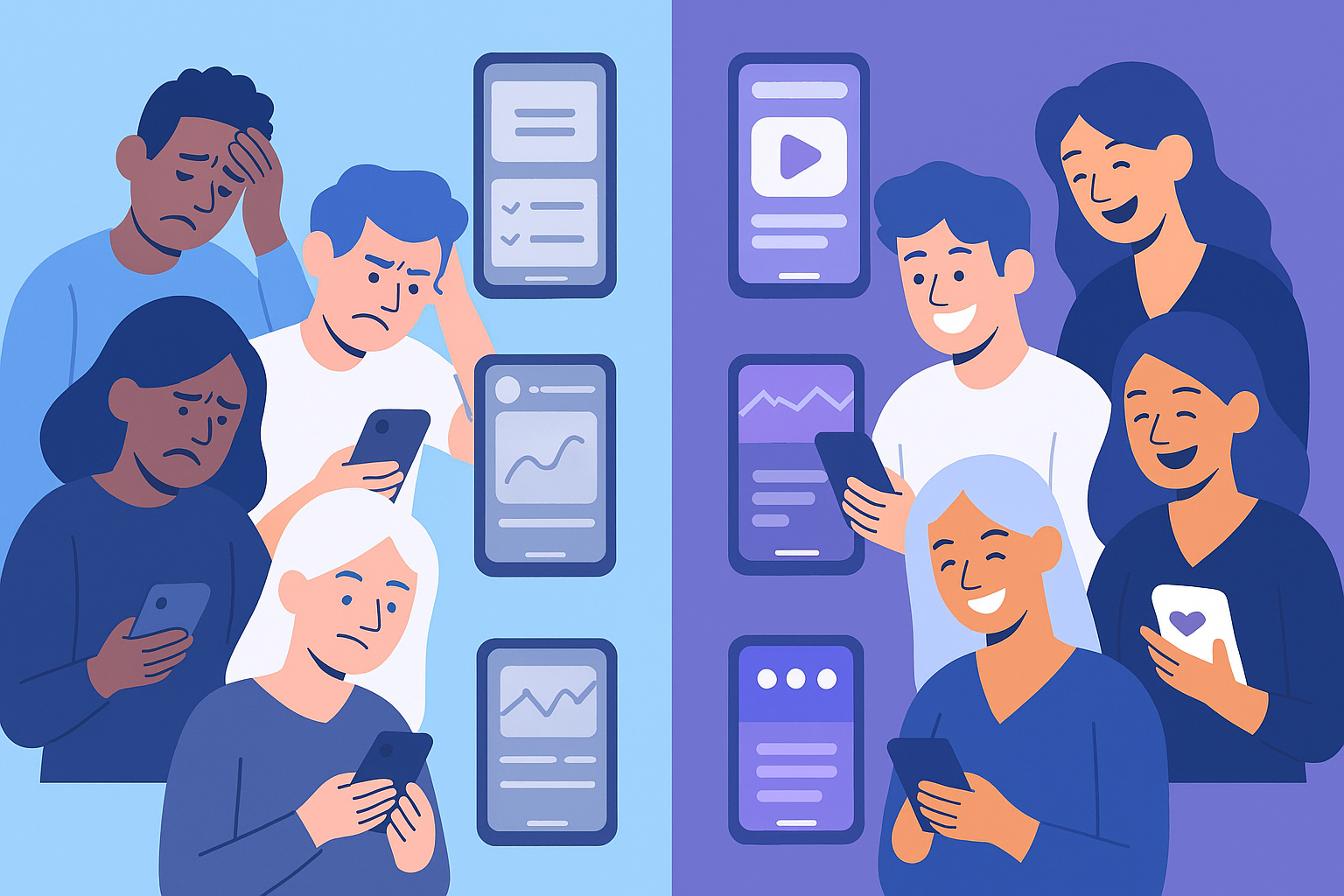 The Generic Problem
The Generic Problem
Every app has to work for everyone. Or at least, enough people to make it worth building. Your music streaming app needs to appeal to millions of users, so it ends up with this one-size-fits-all interface.
The thing is, this means apps dictate your workflow. You work the way Spotify thinks you should work. Or Notion. Or whatever tool you're using. You might get a few customisation options like dark mode or some toggles, but fundamentally you're stuck with someone else's vision of how things should be done.
I started my music collection on cassettes and CDs back in the 90s. I still remember buying The College Dropout by Kanye West or Invincible by Michael Jackson on CD on launch day. When it came time to digitise everything, I gravitated towards software that let me build a digital library, proper "digital jukeboxes" like iTunes where I could add albums and singles to a virtual shelf, same as I'd collected physical CDs.
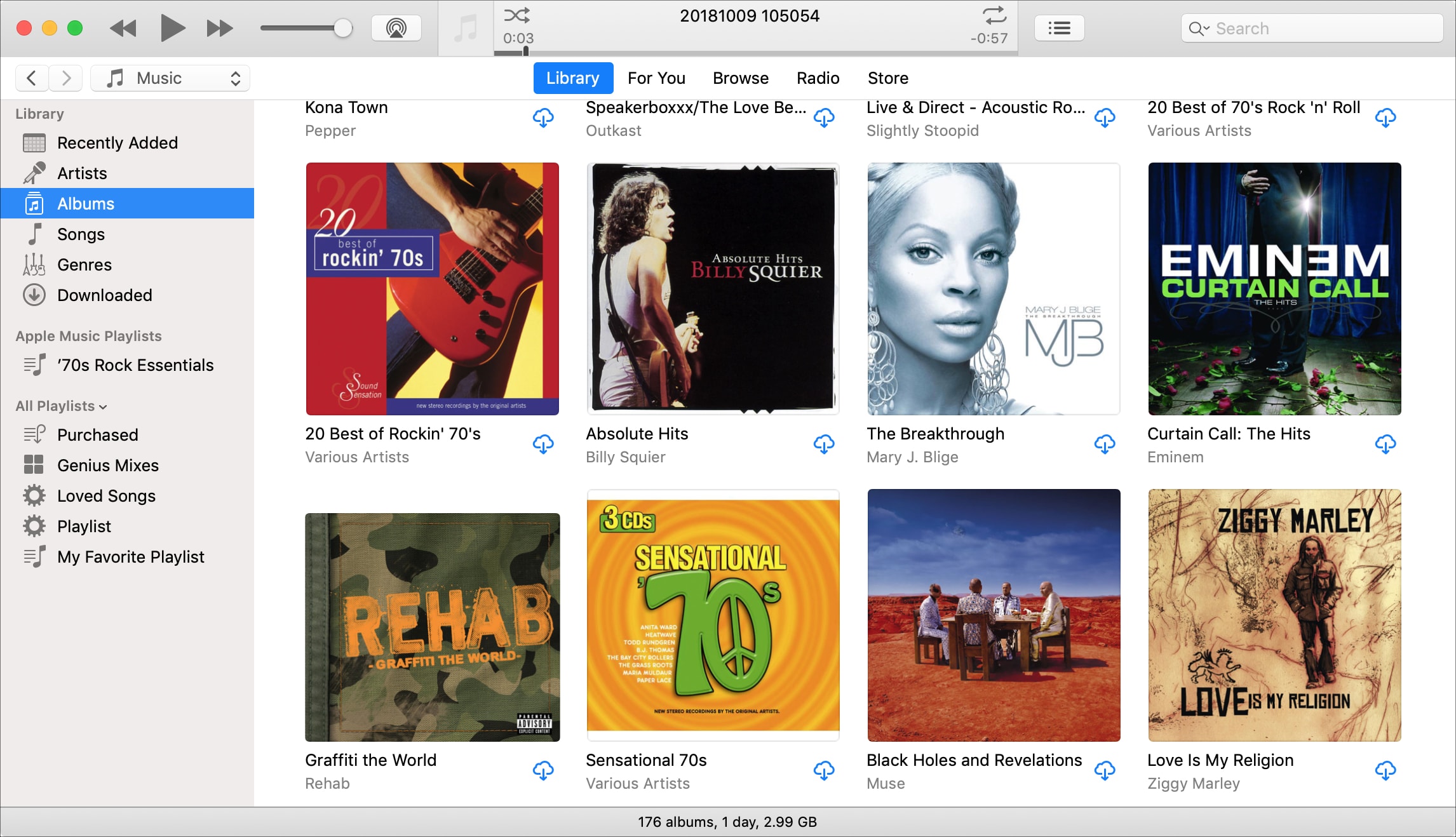 iTunes Library Albums
Then Spotify came out and popularised the playlist concept. Instead of having a library of full albums and singles, your focus shifted to curated playlists based on mood or season or whatever. I really didn't like this. Sure, playlists are great, but I wanted to see my album collection like I could before. To this day, it's the main reason I prefer Apple Music, which gives me a proper library view, over Spotify which pushes playlists at me.
And look, I get why this happens. You can't build a different app for every single person. But it does mean nobody's really getting exactly what they need. Spotify optimised for playlist lovers, and people like me who think in albums just have to put up with it.
What Changes With AI
With AI-generated applications, suddenly anyone can create an interface that's actually personal to them. Not just "customised" with your preferences saved. Actually personal.
Think about that music app example. Want something that focuses on displaying lyrics and explaining what they mean? You could have that. Prefer a clean player that just plays music without any social features cluttering things up? That too. Want an album-focused library view that treats your collection like physical media? Done.
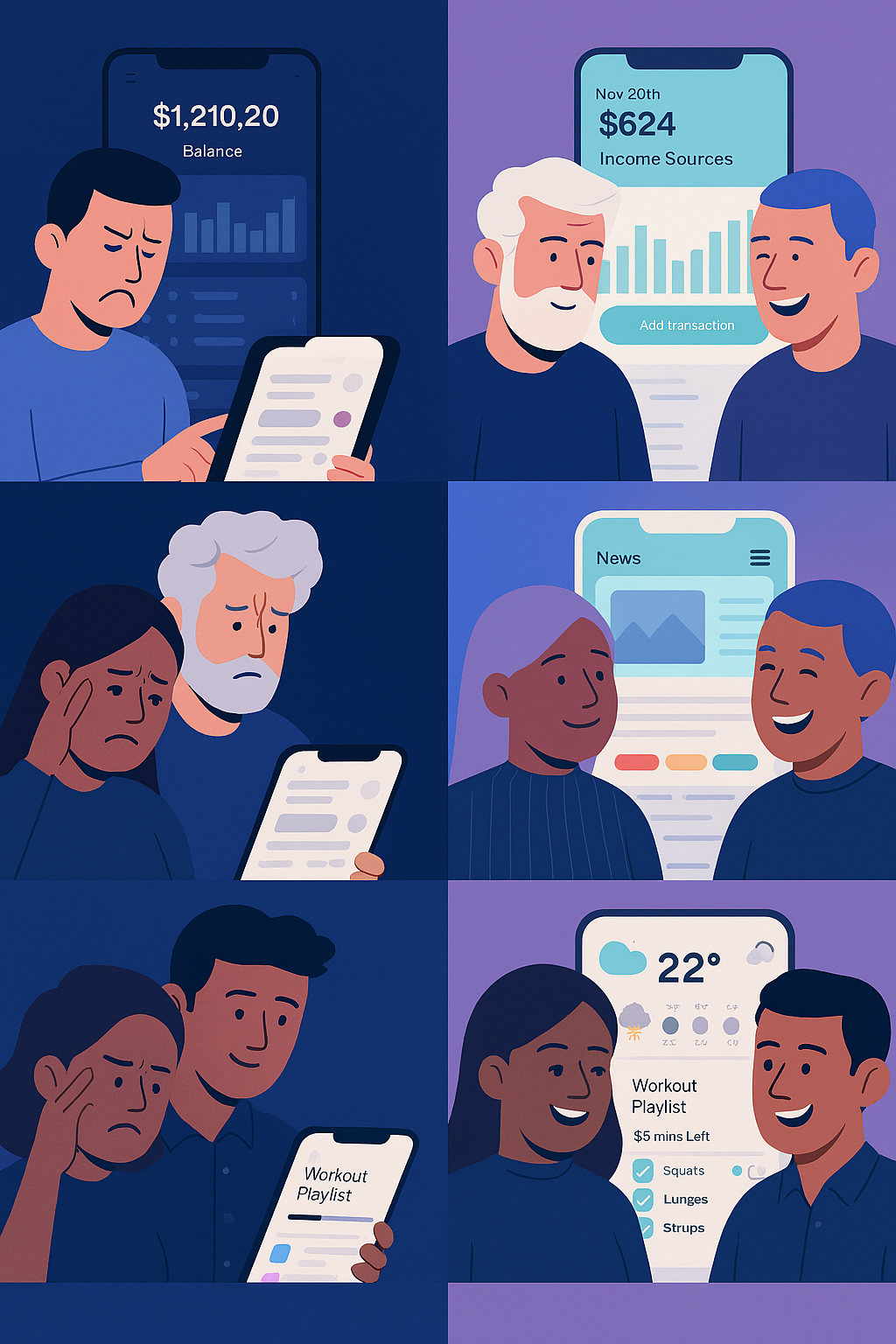 AI Generated Personal Music Interface
The same goes for any type of application. Project management tools could actually match how you manage projects, not force you into someone else's methodology. Email clients could surface information the way you think about it, not the way Gmail's product team decided was best for the average user.
Today, getting something like this built takes time. You'd need to describe what you want, maybe iterate through a few versions, go back and forth a bit. It's possible, but it's still a bit of a faff. But give this 5 to 10 years and I reckon we'll be generating apps on the fly. You ask for what you need and it just appears, built specifically for you and how you work.
The key difference is that you're not asking for customisation within someone else's framework. You're asking for something built from scratch around your actual needs.
Apps Start To Matter Less
If you can generate interfaces whenever you need them, traditional front end apps start to become a bit irrelevant. And I mean that in quite a fundamental way.
Your phone, tablet, laptop... they're just screens. Display devices for whatever interface you need right now. They're not running "apps" in the way we think about them today. They're generating interfaces on demand.
Need to book a flight? You get an interface built around how you actually book flights. Maybe you always fly the same airline and want to see your points balance upfront. Maybe you're price sensitive and want everything sorted by cost. Maybe you've got specific accessibility needs. The interface generates based on what matters to you, not some generic form that tries to cater to business travellers and holiday makers and everything in between.
Working on a project? The interface adapts to how you work. If you're visual and think in kanban boards, you get that. If you prefer lists and timelines, you get that instead. If you need to see dependencies and critical paths, that's what appears. It's not about choosing between Asana, Monday, or Trello anymore. It's about the interface matching your brain.
The interface appears when you need it, does exactly what you need it to do, then goes away. No bloat. No features you'll never use. No navigation through menus designed for someone else's workflow.
It's a completely different paradigm to how we think about software today. We're so used to installing apps, learning their interfaces, adapting to their way of doing things. In this future, that whole concept just... disappears.
APIs Become Everything
So if front end apps don't matter as much, what's left?
APIs.
Because here's the thing. Someone still needs to actually do the work. Stream the music. Process the payment. Store the data. Send the email. Book the flight. All of that functionality still needs to exist somewhere, and it happens through APIs, regardless of what interface you're using.
When everyone can create their own front end experience, the value shifts entirely to whoever controls the actual functionality. The companies that win aren't the ones with the best UI anymore. They're the ones with the most powerful, flexible, well-documented APIs that can be easily consumed by whatever interface people generate.
Think about Stripe as an example. They've always been API-first. Their actual payment interface, the bit customers see, is almost an afterthought. What matters is that their API is rock solid, well-documented, and easy to integrate. In a world of AI-generated interfaces, that approach becomes the only approach that makes sense.
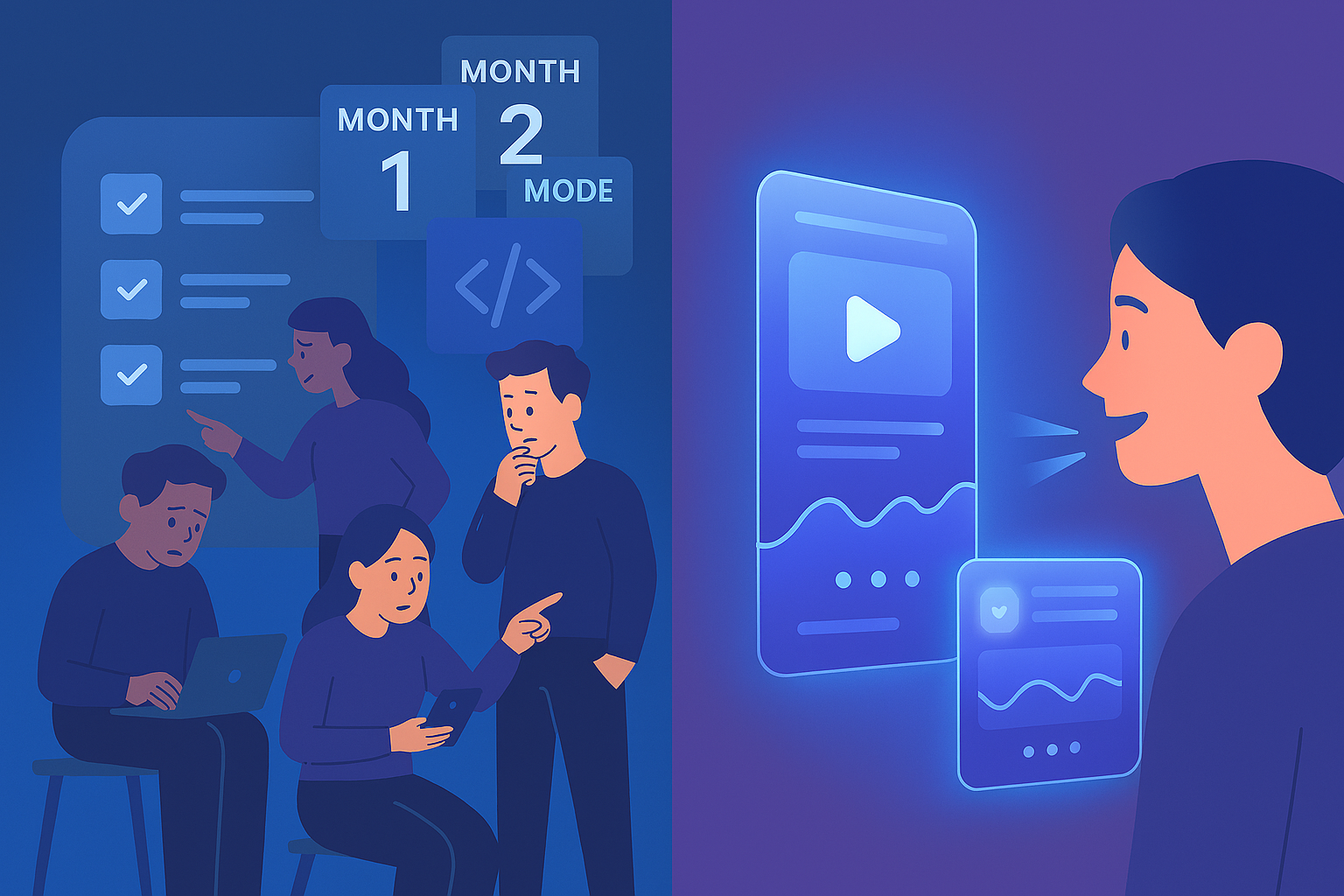 Stripe API First Approach
The interface layer becomes almost disposable. Generate it when you need it, throw it away when you don't. But the API layer? That's permanent. That's where the actual value lives. That's what people are paying for.
It's a bit like the web in the early days. Everyone obsessed over their website design, trying to make it look unique and branded. Now? Most sites use the same frameworks, the same components, the same patterns. What matters is the content and the functionality, not whether your nav bar is at the top or the side.
We're heading towards the same thing with applications. The interface becomes standardised, generated, ephemeral. The functionality becomes paramount.
What I'd Focus On
If you're building products, this shift has some pretty practical implications.
First, stop obsessing over your UI being perfect for everyone. I know that's hard to hear, especially if you've spent years building a beautiful interface. But in 5 to 10 years, there's a good chance nobody will be using it the way you designed it anyway. They'll be generating their own interface that calls your APIs.
Build APIs that are flexible enough to work with whatever interface gets put in front of them. That means thinking about your API design from day one, not as an afterthought. What data do you expose? How do you structure it? What actions can be performed? These questions become more important than "where should this button go?"
Document everything. And I mean everything. When AI systems are generating interfaces that call your APIs, clear documentation becomes the difference between being useful and being ignored. If an AI can't figure out how to use your API from your docs, it won't use it. Simple as that.
OpenAPI specs, clear examples, proper error messages, all of it matters. I've been working on multi-agent systems for government projects this past year, and the systems that are easy to work with have solid APIs and brilliant documentation. You can integrate with them quickly, understand what went wrong when something breaks, and generally just get on with building.
The ones that are a pain? Someone spent months perfecting a UI, but the API is an afterthought. Poor documentation. Unclear error messages. Inconsistent data structures. It doesn't matter how pretty the interface is if nobody can actually integrate with your system programmatically.
Think about what your system can actually do, not how it looks. What data can it provide? What actions can it perform? What business logic does it encapsulate? That's your product. The interface is just one way of accessing it, and increasingly it won't be the way most people access it.
Where This Is Going
We're not there yet. Right now I'm still switching between multiple apps, different interfaces, dealing with the fact that Notion wants me to work one way and Excel wants me to work another way. It's messy and inefficient, but it's what we've got.
But in 10 years? I genuinely think my kids won't understand why we all used the same apps to do different things. The idea that everyone uses the same interface for Spotify or Gmail or whatever will seem as weird to them as using a shared computer terminal seems to us.
They'll just describe what they want. "I need to see all my emails from work that mention the Manchester project from the last month, sorted by importance." And an interface will generate that view. Not Gmail. Not Outlook. Just... an interface that does exactly that and nothing else.
 Future AI Generated Interface
When they want to listen to music, they won't open Spotify or Apple Music. They'll just say what they want to hear and how they want it presented. Album view. Playlist view. Lyrics view. Whatever makes sense for that moment.
The app stores we have today, with their millions of applications all competing to be the best interface for something, will probably seem bizarre. Why would you need 50 different to-do list apps when you can just generate exactly the interface you need for managing tasks?
The future isn't app stores. It's API catalogues. Directories of functionality you can access however you want.
The companies that win won't be the ones with the prettiest interface or the cleverest onboarding flow. They'll be the ones with the most powerful, well-documented APIs that other things can easily build on top of. The ones that actually do something valuable, rather than just presenting something valuable in a nice way.
Worth keeping in mind.